
Intumescent Coatings in Seattle
Fire-Resistive Coating Systems for Structural Steel
We install intumescent coating systems for commercial and industrial projects across the Puget Sound region, meeting required fire ratings and inspection standards.
See a case study on one of our completed intumescent coating projects.
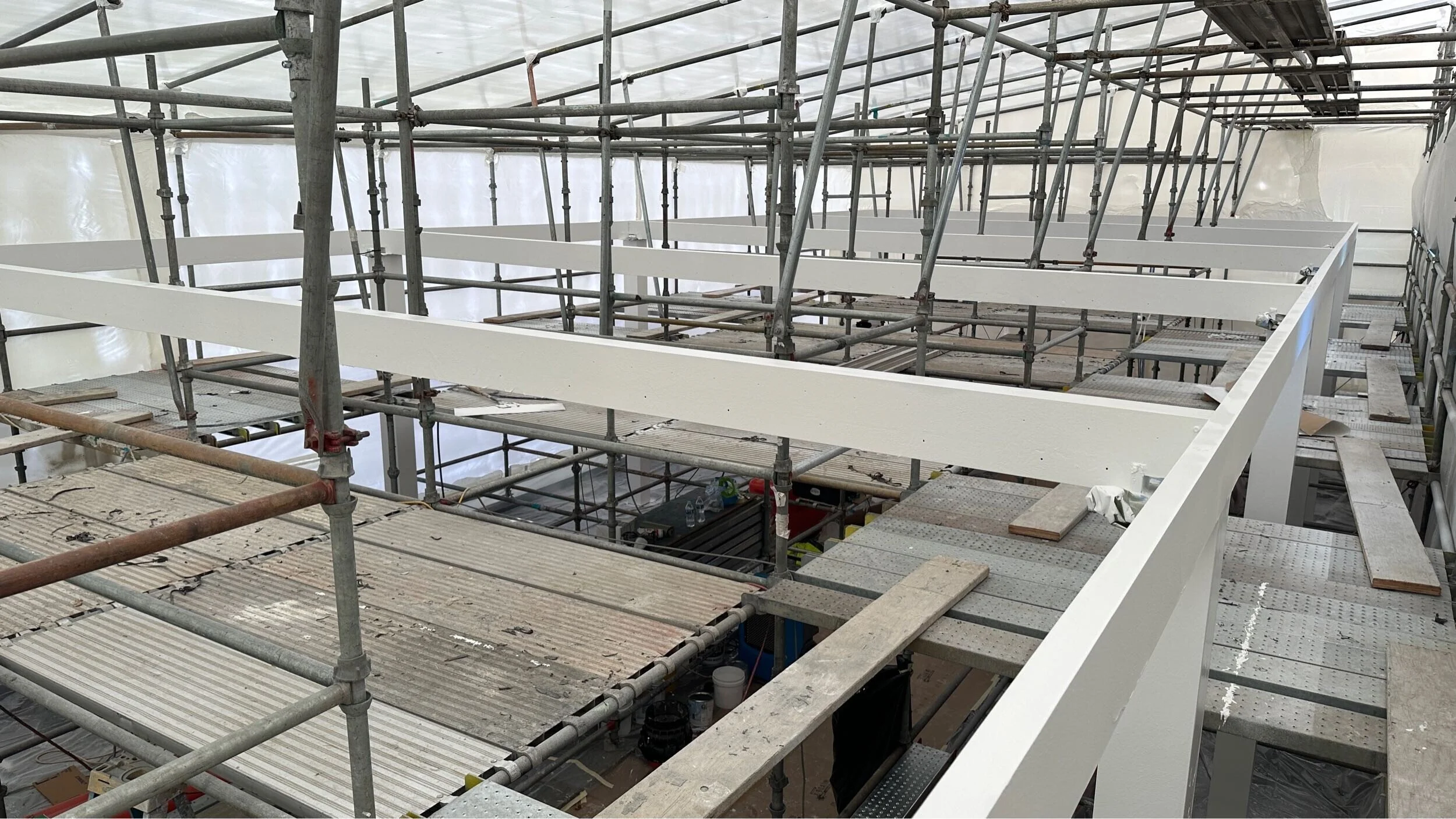
What is an Intumescent Coating?
Intumescent coatings are engineered to protect structural substrates during fire events. When exposed to high temperatures, the material undergoes sublimation — expanding up to 100 times its original dry film thickness (DFT) — creating a carbonaceous char that insulates the substrate underneath.
Contego's intumescent coatings are designed to provide up to two hours of fire resistance, depending on the specific thickness applied and system used.
Unlike conventional paints, the performance of intumescent coatings is dependent entirely on precise material application, correct DFT, and compatible primers and topcoats.
What is it for?
Structural steel
Architectural columns/beams
Penetration or joint sealing
Sealing foam insulation
Where is it used?
Commercial buildings
Restaurants
Hospitals
Apartments/Condos
Element PCC specializes in intumescent coating applications that require technical precision, durability, and controlled visual finish. We work with developers, general contractors, and facility managers to deliver fire-resistive coating systems that meet code requirements while maintaining clean, consistent aesthetics.
Intumescent coatings are not conventional paint systems. They are performance-driven assemblies that rely on proper installation to achieve required fire-resistance ratings.
System performance depends on:
Surface preparation to specification
Compatible primer systems
Controlled environmental conditions
Accurate application and film build
Compliance with inspection and code requirements
Failure to meet these conditions can result in adhesion issues, improper film thickness, or failed inspection.
Our approach focuses on controlled application, documentation, and coordination with project requirements to ensure systems are installed correctly and perform as specified.
Intumescent coatings require compatible substrate conditions and controlled system build to perform as specified.
Primer Compatibility
Structural steel and aluminum substrates require a manufacturer-approved primer system prior to intumescent application. Not all primers are chemically compatible, and improper selection can result in adhesion failure or delamination.
Primer requirements vary by system and project conditions. Depending on the specification, this may include:
Bonding primers
Two-component epoxy systems
Other approved coating systems
All substrates must be properly prepared and free of rust, mill scale, and contaminants to ensure adequate bond.
Film Thickness (DFT) Control
Fire-resistance performance is achieved through controlled film build.
Application must meet specified thickness requirements to pass inspection and perform correctly.
Environmental Conditions
Intumescent coatings are sensitive to environmental exposure during application and curing.
Excessive heat, direct sunlight, or moisture exposure can affect:
Cure consistency
Surface integrity
Long-term performance
To maintain proper conditions, work may require:
Protection from direct sunlight and precipitation
Controlled temperature ranges (typically within manufacturer guidelines)
Management of humidity and ambient moisture
Environmental conditions are monitored and managed throughout application to ensure system performance.
Application Method
Intumescent coatings are not applied like conventional paint. They are high-build, performance-driven systems that require controlled application to achieve consistent film thickness and meet specified fire-resistance ratings.
On smooth, non-porous substrates such as structural steel or pre-finished panels, standard spray techniques can lead to directional buildup, ridging, and uneven film distribution. Due to the high solids content and limited self-leveling characteristics of intumescent coatings, these inconsistencies can remain in the cured film and affect system performance.
Through field experience, we adjust application methods to improve:
Film uniformity across flat surfaces and transitions
Reduction of overlap ridging and edge loading
Consistency of wet and dry film thickness
These factors are critical to ensuring the installed system performs reliably under fire conditions.
At Element PCC, application technique is treated as a controlled component of the fire-resistive system. Methods are adjusted based on substrate type, coating system, and required film build to ensure consistent, specification-compliant results
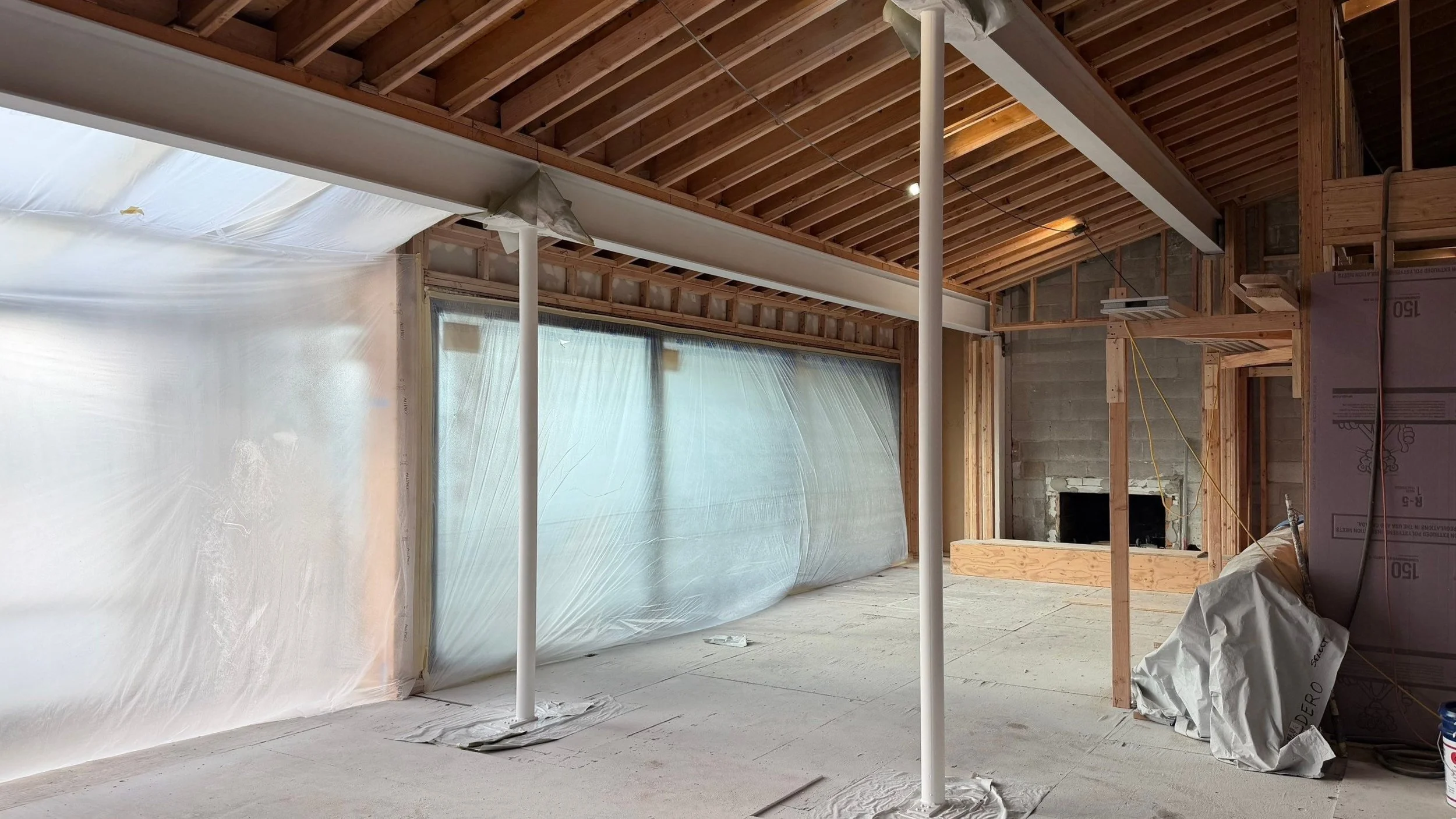
Systems We Work With
Element PCC has experience applying high-performance intumescent coating systems, including those developed Contego International, and other products used in commercial fireproofing applications.
System selection is based on:
Required fire-resistance rating
Interior vs. exterior exposure
Project-specific conditions and access constraints
Exterior Intumescent Applications
Exterior intumescent coatings present additional challenges related to moisture exposure, UV conditions, and long-term durability. These applications require careful coordination of system components and environmental protection to maintain performance over time. The only product approved for exterior applications in Seattle is the High-Solids RFB from Contego International, and the only contractor approved to apply these systems is Element PCC.
We have completed exterior intumescent installations on commercial structures in the Seattle area, including projects requiring coordination with manufacturers and on-site inspection during application.
Manufacturer Coordination
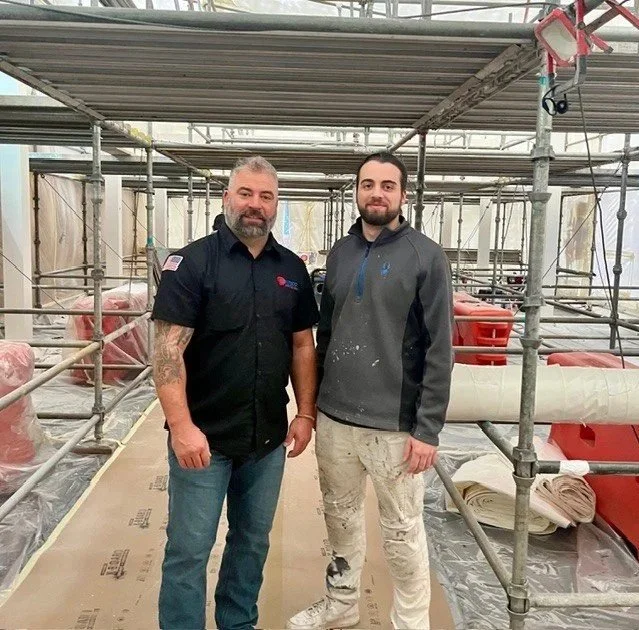
On select projects, Element PCC has worked directly with manufacturer representatives for system review, inspection, and application verification.
At the time of installation for the Frolik at Motif canopy project, Element PCC was identified by Contego International as the only approved contractor for exterior application of Contego RFB systems meeting both applicator and manufacturer-backed warranty requirements.
This level of coordination helps ensure installations align with both project specifications and manufacturer performance expectations.
Warranty Considerations
Where applicable, systems may be installed to meet requirements for:
Applicator warranties
Manufacturer-backed warranties
Warranty eligibility depends on proper installation, approved systems, and adherence to project specifications